Maintaining excellent oral hygiene is more than just having a sparkling smile. It is a cornerstone of overall health, impacting not only your teeth and gums but also your cardiovascular system, digestive health, and even immunity. Poor oral care can lead to gum disease, tooth decay, bad breath, and systemic health issues such as diabetes complications or heart disease. Understanding effective daily dental care and recognizing common oral hygiene mistakes can ensure your mouth stays healthy and pain-free.
Daily Oral Hygiene Routine
A proper daily oral hygiene routine is essential for healthy teeth and gums. Consistency is key, and every step plays a specific role in protecting your mouth.
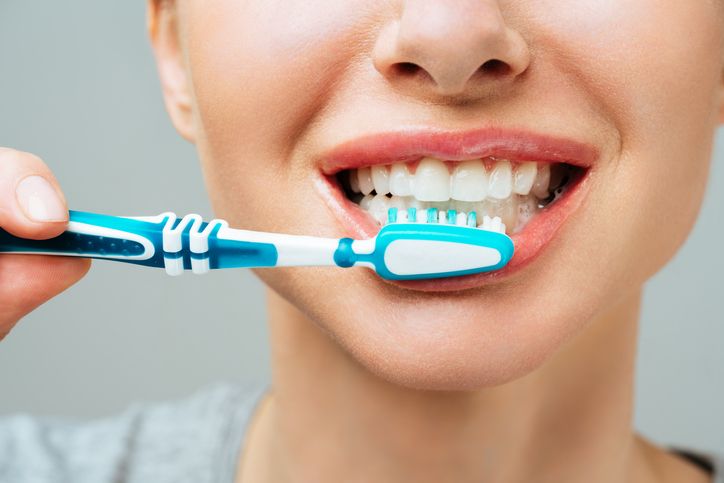
Brushing Your Teeth
Brushing is the foundation of oral care. Follow these guidelines:
- Frequency: Brush at least twice a day, ideally in the morning and before bed.
- Duration: Spend two minutes per session to thoroughly clean all surfaces.
- Technique: Use gentle, circular motions rather than aggressive back-and-forth strokes to prevent gum recession.
- Toothbrush Choice: Soft-bristled toothbrushes are recommended to protect enamel. Replace your toothbrush every 3–4 months or sooner if bristles are frayed.
- Toothpaste: Choose a toothpaste containing fluoride, which strengthens enamel and prevents decay.
Flossing
Flossing reaches areas where a toothbrush cannot:
- Frequency: Once daily, ideally before bedtime.
- Technique: Gently slide floss between teeth and curve it around each tooth in a C-shape to remove plaque and food particles.
- Benefits: Reduces the risk of gum disease and cavities in between teeth.
Mouth Rinsing
Using an antiseptic or fluoride mouthwash complements brushing and flossing:
- Frequency: Once or twice daily after brushing.
- Benefits: Reduces plaque formation, freshens breath, and strengthens teeth.
- Tip: Avoid eating or drinking for 30 minutes after rinsing to maximize effects.
Diet and Oral Health
Your diet directly impacts dental health. Sugary and acidic foods can accelerate tooth decay, while nutrient-rich foods strengthen teeth and gums.
Foods That Promote Dental Health
- Dairy Products: Milk, cheese, and yogurt contain calcium and phosphorus for strong enamel.
- Crunchy Fruits and Vegetables: Apples, carrots, and celery stimulate saliva, which neutralizes acids.
- Leafy Greens: Spinach and kale provide calcium and vitamins for gum health.
- Nuts and Seeds: Rich in minerals, they help maintain enamel integrity.
Foods to Limit
- Sugary Snacks: Candies, sodas, and desserts feed harmful bacteria that produce acids.
- Acidic Beverages: Citrus juices and soft drinks can erode enamel over time.
- Sticky Foods: Dried fruits or caramel can cling to teeth and promote decay.
Tips for a Balanced Diet
- Drink plenty of water to rinse food particles.
- Include fiber-rich foods to promote saliva production.
- Avoid frequent snacking on sugary or acidic items.
A balanced diet supports both oral hygiene and overall wellness.
Common Mistakes in Oral Hygiene
Even with a routine, many people make avoidable errors that harm their oral health.
Brushing Too Hard
- Problem: Aggressive brushing wears down enamel and irritates gums.
- Solution: Use soft-bristled brushes and gentle pressure.
Neglecting Flossing
- Problem: Skipping floss allows plaque to build between teeth.
- Solution: Floss daily, even if it seems tedious; small amounts of bleeding initially are normal.
Using the Wrong Toothbrush
- Problem: Hard bristles or worn-out brushes can damage teeth.
- Solution: Replace toothbrushes regularly and choose soft bristles for safety.
Overusing Whitening Products
- Problem: Excessive whitening can erode enamel.
- Solution: Follow product instructions and consult a dentist for professional advice.
Ignoring Early Symptoms
- Problem: Pain, bleeding gums, or persistent bad breath may indicate gum disease or cavities.
- Solution: Seek prompt dental care instead of waiting.
Correcting these mistakes ensures long-term dental health and reduces the risk of serious complications.
Importance of Regular Dental Visits
Professional care is essential even with perfect home routines.
Why Regular Check-ups Matter
- Detect cavities, gum disease, or oral cancer early.
- Remove tartar buildup that brushing and flossing cannot address.
- Receive personalized advice for oral hygiene improvement.
What to Expect During a Dental Visit
- Examination of teeth, gums, and mouth.
- Professional cleaning to remove plaque and tartar.
- Fluoride treatments or sealants for cavity prevention.
- Recommendations for improving daily dental care routines.
Most dentists recommend visits every six months, but frequency may increase depending on individual needs.
Special Considerations for Different Populations
Children
- Supervise brushing until age 7–8.
- Use a small, soft toothbrush and fluoride toothpaste.
- Encourage flossing as soon as teeth touch each other.
Elderly
- Address dry mouth caused by medications.
- Monitor for gum recession or dentures-related issues.
- Maintain gentle brushing and daily cleaning routines.
Pregnant Women
- Hormonal changes increase gum sensitivity.
- Regular brushing, flossing, and dental check-ups are essential.
- Limit sugary snacks and maintain a nutrient-rich diet for oral and fetal health.
Tailoring oral care to specific needs ensures safety and optimal dental health across all life stages.
Conclusion
A consistent, well-rounded oral hygiene routine is essential for maintaining healthy teeth and gums while preventing long-term complications. Daily brushing, flossing, and rinsing, combined with a nutrient-rich diet and regular dental visits, form the foundation of dental health. Avoiding common mistakes such as aggressive brushing or neglecting flossing ensures your efforts are effective. By understanding the unique needs of children, adults, and special populations, everyone can maintain a smile that is not only beautiful but also contributes to overall well-being. Start taking proactive steps today—your future self will thank you.